June 24, 2022

How To Start Farming In 8 Easy Steps.

Are you thinking about starting a farm? Are you feeling overwhelmed about becoming a farmer? Well, if you know what to produce and where to do it, you are on the right track to pulling it off. Here are 8 tips to help you get started with farming.

1. What Do You Want To Produce?

First, you need to make a decision on what you want to produce. As long as the circumstances are right, you can domesticate any animal and plant anything on your farm. If you are focusing on sustainability, you need to start growing crops that promote biodiversity.
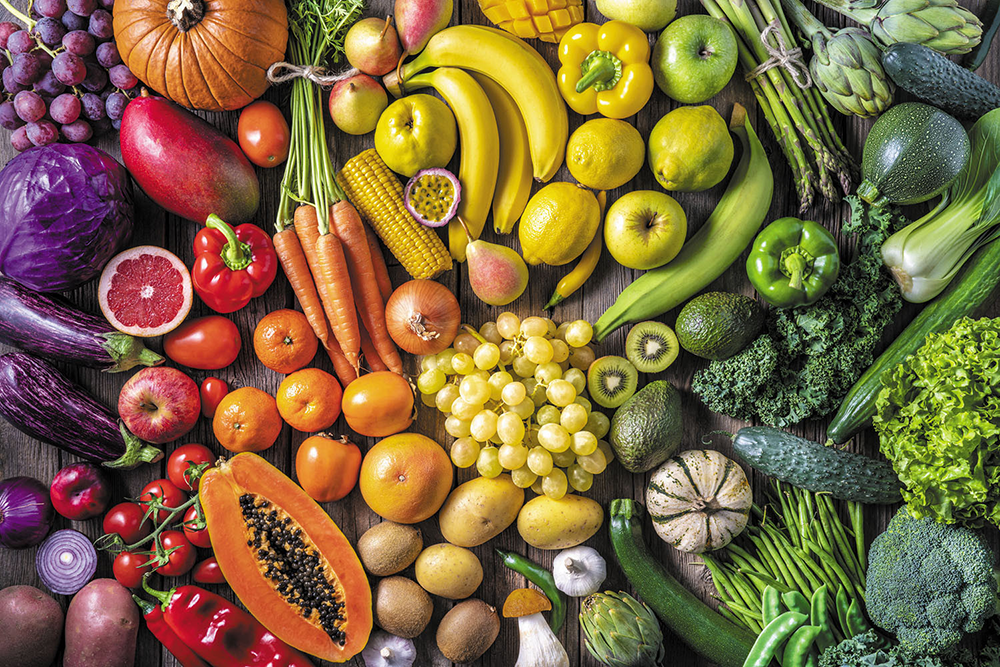
Generally, if you are starting out with a small farm, you need to find the best agricultural products that can guarantee a great return on investment.

2. Learn Everything About Your Products

You can’t assume that you will learn on the job when it comes to farming. Look for learning resources online and learn everything there is to know about your products. Additionally, you can always network with seasoned farmers to learn the job.

3. Figure Out Your Finances

You need the right amount of capital to get started. For instance, you need to have licensing, labor, equipment and much more. You can always buy a small farm in cash or get a loan to get started.

4. Buy Your Property

It’s time to buy land. If you are planning to raise livestock, you need to make sure that the climate is appropriate. Additionally, plants require special attention. Therefore, you need to buy land that has the right climate for your crop. It also needs to be fertile and rich in the right nutrients.

5. Strategizing And Preparation

If you are planning to grow crops, you need to make sure that your land is fertile. You can do this using compost and manure. Alternatively, chemical fertilizers may also come in handy. On the other hand, if you are planning to raise livestock, you need to build the appropriate stables.

6. Implement Your Farming Business Plan

Once you have a farming business plan, you need to take action. Of course, you need to be flexible on this journey. Have some backup options so you are covered in the event of anything.

7. Develop Your Product

Even if you choose to specialize in one thing on your farm, you can always have related products for the small business. You need to decide on the direction you want to take and develop your product. It needs to last as long as possible. Additionally, you need to figure out the pricing.

8. Market Your Products

Marketing your products highly depends on who you are planning to sell them to. When looking for the target audience, you need to consider whether you are selling the product as an ingredient to a manufacturer, selling to stores or consumers or whether or not consumers can access the product online.
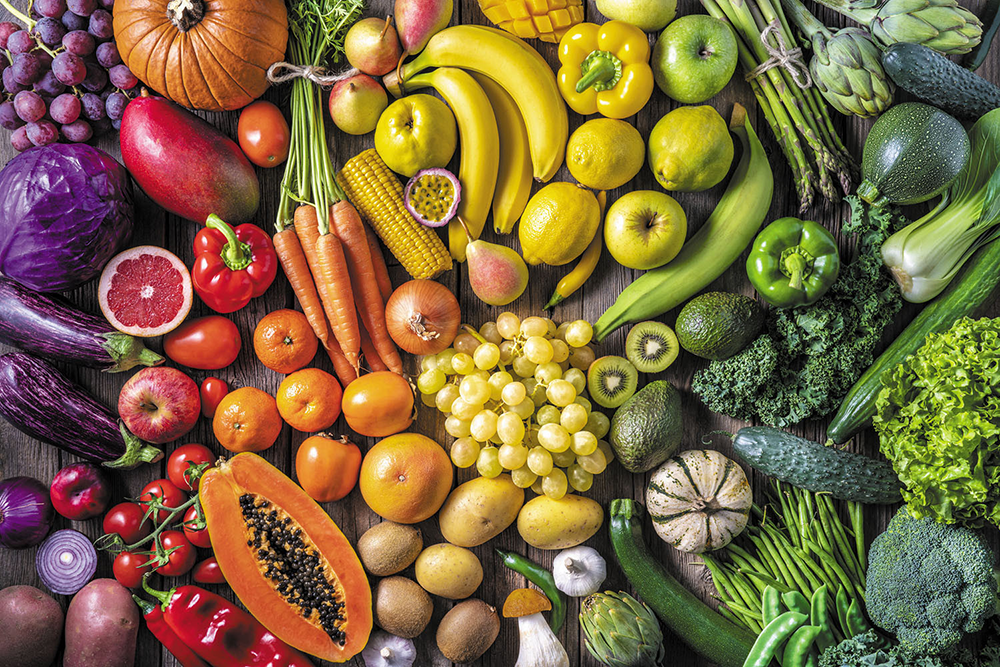
In summary, starting a farm doesn’t need to be stressful. As long as you have the right business plan and strategy, you can do it effortlessly. Use these tips for the best results.

How to Choose Fruit Plants for Your Garden

Gardeners can be somewhat reluctant to include fruit-bearing trees and shrubs in the garden. Fruit trees can be testy and require plenty of space. But if you choose the right fruit trees or plants for your garden, you will enjoy fresh seasonal fruits in the comfort of your yard.

What to Consider When Choosing Fruit Plants

Not every fruit tree or shrub is going to thrive in every garden environment. It pays to do a little research into the fruit trees you are interested in before heading out to the nursery to make your selection.

The first thing to do will be to consider the conditions of your garden and then decide on the plant that will thrive there. Here are some points to consider:

1. Space

Because of the reputation fruit trees have, you may think that you need extensive space if you will have a fruit tree in your garden. But this is not so, there are many fruit shrubs and vines that can be comfortably housed in a smallish living space. For example, strawberries, melons, and raspberries won’t take up much room in the garden

Furthermore, consider the dwarf varieties of your favorite fruits. Almost every fruit tree from cherries to lemons has a dwarf version available that is perfect for space-saving.

2. Sun

Fruit trees will need ample sunlight as this is what they use to create the natural sugars that make fruits so delicious. The sweeter the fruit, like mangos, the more sun it will need. If you have a sunny garden, no problem at all. But if you have a shady garden, don’t worry! Think of fruits that are not especially sugary, like sour cherries, blackberries, or plums — all of which will thrive in a shady or partially shady environment.

3. Temperature

Different fruits are native to different parts of the world and will grow best in specific temperatures. When choosing your plants, make sure they will be able to stand the cold of winter or the blazing heat of summer. Different varieties can withstand colder temperatures. Furthermore, there are special cultivars of your favorite fruits like crab apples, plums, cherries, and pears that are designed to survive tough winters.

If you live in a region that has especially harsh winters, with temperatures that drop below 0°F (-17.7°C), consider growing your fruit in pots that can be relocated indoors in bad weather.

4. Soil

Fruit trees need the right soil to thrive. If the soil doesn’t drain well your trees will suffer “wet feet” and this can thwart their fruit production and even cause them to die. To keep your fruity shrubs and trees from root rot, make sure you have planted them in well-draining soil.

Take the time to learn about the soil your intended fruit shrubs will be happiest. Most plants will be fine with a bit of mulch or composting, but raspberries will require slightly more acidic soil.

5. Pollination

Pollination is the process through which fruit trees will begin to produce fruit — without pollination, no fruit! Pollination methods are very different from fruit tree to fruit tree and even different varieties of the same fruit will require different methods of pollination. The easiest type of fruit tree is those that self-pollinate. There are also “self-fruiting” and “self-fertile” plants. This means they do not need the presence of another plant to begin fruit production. If you will be using a plant that is not “self-pollinating” you will need to pick two different plants to ensure that your fruit tree is properly fertilized.

Largest Producer of Vegetables in the World Ranked 1 to 5

The COVID-19 pandemic put a lot of things in perspective. One of these was the importance of fruits and vegetables. Consequently, The UN declared 2021 as the “International Year of Fruit and Vegetables”.

A diet rich in vegetables and fruits has a lot of benefits. It strengthens the immune system, improves blood sugar control, lessens digestive problems, lowers the risk of certain cancers, and provides a host of other health advantages.

It’s no surprise therefore that the volume of vegetables produced globally has dramatically increased over the years. It climbed from 682 million metric tons in 2000 to more than 1.15 billion metric tons in 2020! So where do these vegetables come from? Here are the top vegetable producers in the world:

The Top 5 Countries that Produce the Most Vegetables

1. China

It makes sense that one of the largest countries in the world produces the highest amount of vegetables. China has ample land area and climatic zones for a variety of vegetables. Furthermore, at 18.47% of the total world population, China is bound to have enough workforce for agricultural production.


China, therefore, ranks first in the production of vegetables, and this production is very important for the Chinese. They produce close to 600 million metric tons annually, accounting for about 52% of all global vegetable production.

2. India

India shares the advantages of a large population, good climate, and ample land for food production, with China. It ranks second in the production of large quantities of vegetables, thanks to soil fertility and the country’s investment in Agriculture in general.

India has an annual production of about 140 million metric tons, accounting for about 15% of the global total production of fresh vegetables. They are particularly the largest producers of tomatoes. In other agricultural sectors, India is the largest producer of pulses, jute, and milk.

3. The United States

Yet another sizable nation. What makes the US stand out is cutting-edge agricultural technology. It serves as an agricultural role model for many nations, and American agriculture is expanding continuously at accelerating rates.

According to recent statistics, the United States produces 45 million tons of vegetables annually, which is equal to 5% of all the vegetables grown worldwide. As a result of its reliance on modern methods and techniques for vegetable cultivation, the country ranks third globally in terms of agricultural production overall and vegetable production in particular.

4. Turkey

Turkey is a leading producer and exporter of a variety of agricultural products such as cherries, figs, olives, apricots, tea, and tobacco. Agriculture is the main economic activity, employing over 25% of Turkey’s workforce. It boasts a favorable environment, fertile soil, and plentiful rainfall.

It makes sense that it’s, therefore, the 4th largest producer of vegetables. It produces 35 million tons annually, accounting for about 4% of the world’s total production, and in years to come, this proportion is expected to double.

5. Iran

Even though 39% of Iran is covered in desert, they have installed modern water storage facilities and an irrigation system based on the prehistoric system of the qanat.

That said, Iran contributes significantly to the world vegetable production balance and exports veggies to its neighbors. Each year, 27 million tons of vegetables, or 3% of the world’s total vegetable production, are produced using high-quality methods.

Wind Up

Vegetable consumption is thought to be very healthy and supports various body functions. Thanks to these 5 producers, the globe has an ample supply of vegetables to keep the body packed with vital vitamins, minerals, and antioxidants!